
What happens when one missing tooth starts affecting more than your smile? A gap can change the way you chew, speak, and even how neighboring teeth line up over time. Fortunately, dental bridges offer a dependable way to replace missing teeth and restore everyday function without relying on a removable appliance.
At Modern Dentistry of Jupiter, dental bridges in Jupiter may be recommended when a patient is missing one or more teeth and wants a stable, natural-looking replacement. While every smile is different, a bridge can often “bridge” the space left behind by tooth loss using nearby teeth or dental implants for support.
What Is a Dental Bridge?
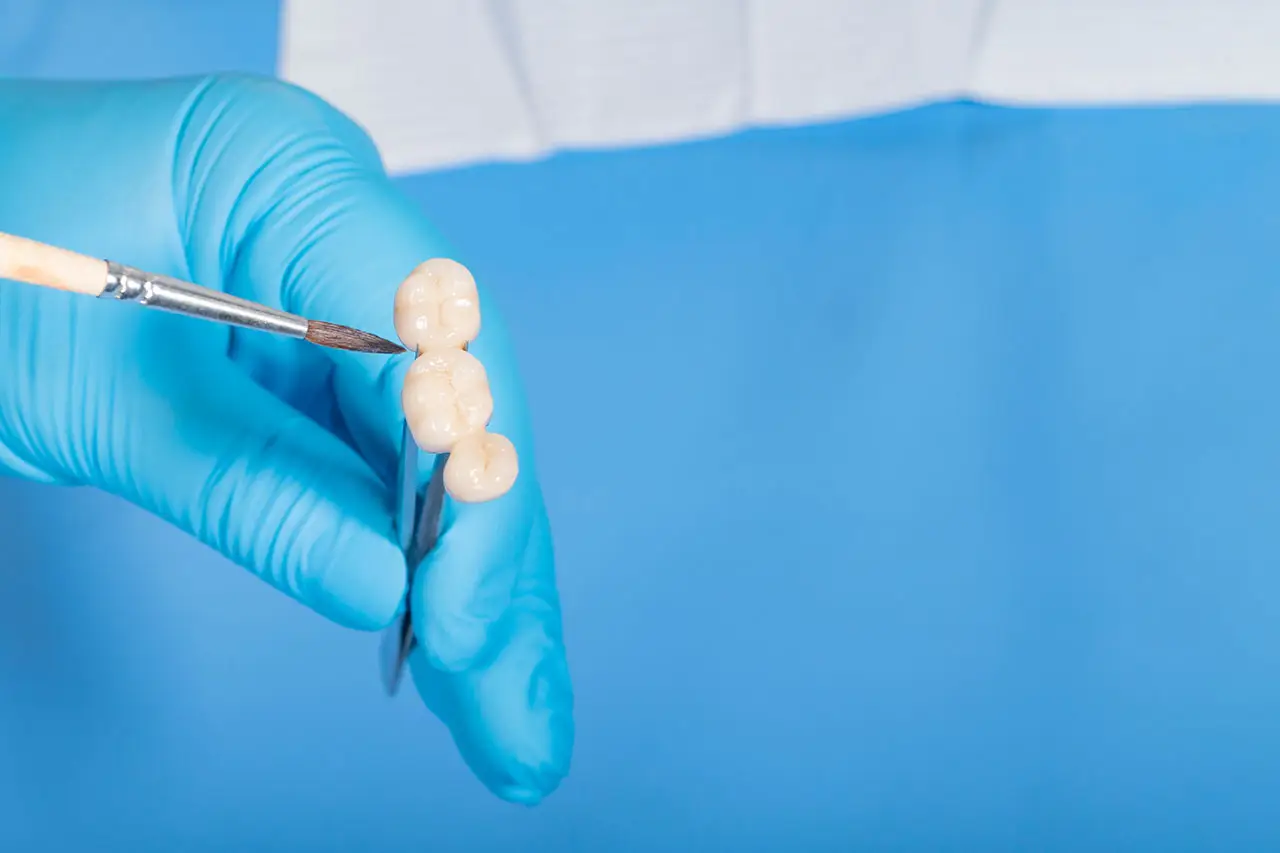
A dental bridge is a custom restoration that fills the space created by a missing tooth. It usually includes one or more replacement teeth, called pontics, which are held in place by crowns on the neighboring teeth or by dental implants. As a result, the bridge stays secure while helping restore the look and function of your smile.
Traditional dental bridges are among the most common options. These use crowns on the teeth beside the gap to support the replacement tooth in the middle. However, other types may be considered depending on where the missing tooth is located, how many teeth are missing, and how strong the surrounding teeth are.
Because dental bridges are custom-made, they can be shaped and shaded to blend with the rest of your smile. In addition, they can help improve chewing balance so you are not putting extra pressure on one side of your mouth.
Why Replacing a Missing Tooth Matters
A missing tooth may seem like a small problem at first, especially if it is near the back of the mouth. However, the effects can build gradually. When a tooth is missing, nearby teeth may begin shifting into the open space. Meanwhile, the opposing tooth may drift because it no longer meets a partner when you bite.
These changes can affect your bite, make teeth harder to clean, and increase the risk of uneven wear. In addition, chewing may become less comfortable if you start avoiding one side of your mouth. Therefore, replacing a missing tooth is not only about appearance. It is also about protecting long-term oral function.
Dental bridges in Jupiter can help fill the gap, support proper spacing, and make meals feel more natural again. For many patients, that stability is one of the biggest benefits of choosing a bridge.
Dental Bridges vs. Dental Implants
Patients often ask whether they should choose a dental bridge or a dental implant. The answer depends on your oral health, bone support, budget, timeline, and personal preferences. A dental bridge can replace a missing tooth without surgically placing an implant. However, it typically relies on neighboring teeth for support unless it is implant-supported.
Dental implants, on the other hand, replace the tooth root and can support a crown, bridge, or denture. They may help preserve jawbone stimulation in the area, but they require enough healthy bone and a longer treatment timeline. In some cases, bone grafting may be needed before implant placement.
Neither option is automatically better for every patient. For example, if the teeth on both sides of a gap already need crowns, a bridge may be a practical choice. However, if the neighboring teeth are healthy and untouched, an implant may help avoid reshaping them. Your dentist can explain the pros and limitations of each option based on your exam and X-rays.
What to Expect During the Dental Bridge Process
The dental bridge process begins with a consultation. Your dentist will examine the missing tooth area, check the surrounding teeth, evaluate your bite, and take any needed X-rays. This helps determine whether a bridge is the right choice or whether another tooth replacement option may be more appropriate.
If a traditional bridge is recommended, the supporting teeth are carefully prepared for crowns. Then, impressions or digital scans are taken so the custom bridge can be created. A temporary bridge may be placed to protect the prepared teeth and help maintain appearance while the final restoration is being made.
At the placement visit, your dentist checks the bridge for fit, bite, shape, and color. Once the bridge feels right, it is cemented or bonded into place. Afterward, it may take a short time to adjust, but the bridge should soon feel comfortable during normal chewing and speaking.
Benefits of Dental Bridges
Dental bridges offer several helpful benefits for patients with missing teeth. First, they restore chewing ability by filling the gap with a stable replacement tooth. Second, they help maintain the position of nearby teeth. Third, they can improve speech when missing teeth affect pronunciation.
In addition, dental bridges can support a more complete smile without requiring a removable denture. For patients who want a fixed restoration, this can feel reassuring. A bridge stays in place during meals and conversation, which can make daily life feel more natural.
Trusted dental education commonly highlights the importance of replacing missing teeth to support chewing, spacing, and oral function. However, long-term success depends on good home care. A bridge still needs daily cleaning because the supporting teeth and gums remain vulnerable to plaque and gum disease.
How to Care for a Dental Bridge
Dental bridge care is simple, but it requires consistency. Brush twice a day, clean along the gumline, and floss daily. Because a bridge includes a connected replacement tooth, you may need a floss threader, interdental brush, or water flosser to clean underneath it properly.
Regular dental cleanings are also important. During these visits, your dentist and hygienist can check the bridge, supporting teeth, bite, and gums. If plaque collects around the bridge, it may increase the risk of decay or gum inflammation near the support teeth.
In addition, avoid chewing ice, biting hard objects, or using your teeth to open packaging. These habits can damage bridges, crowns, and natural teeth. If you grind or clench at night, ask whether a custom night guard could help protect your dental bridge.
Frequently Asked Questions About Dental Bridges in Jupiter
How long do dental bridges last?
Dental bridges can last for many years with good oral hygiene, regular dental visits, and healthy chewing habits. However, the lifespan depends on the health of the supporting teeth, the fit of the bridge, and how well the area is cleaned every day.
Is getting a dental bridge painful?
The teeth and surrounding area are typically numbed during preparation, so the procedure should be comfortable. Some mild sensitivity may happen afterward, especially while wearing a temporary bridge, but it is usually manageable and temporary.
Can I eat normally with a dental bridge?
Yes, most patients can return to normal eating after adjusting to the final bridge. However, it is best to avoid very hard or sticky foods that could damage the bridge or loosen it over time.
Restore the Gap With Confidence
Dental bridges in Jupiter can replace missing teeth, improve chewing comfort, and help keep nearby teeth from shifting. With a personalized treatment plan and consistent care, a bridge can be a strong, natural-looking solution for restoring your smile.
Ready to explore whether a dental bridge is right for you? Book an Appointment with Modern Dentistry of Jupiter in Jupiter, FL by calling (561) 250-7040 or visiting Contact Us.